
Mastering Sales Funnel Optimization for Peak Conversion Rates in 2026
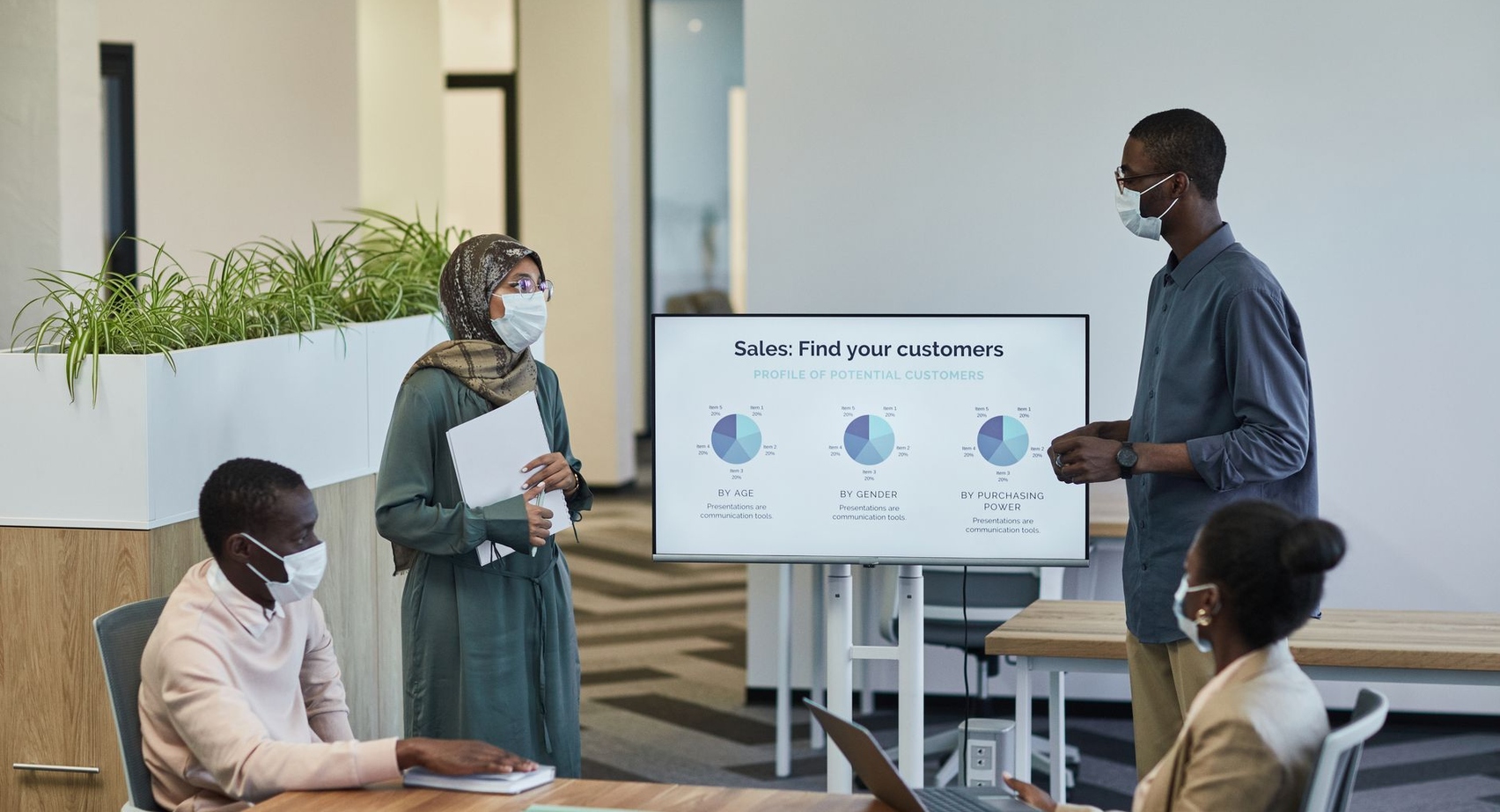
In today’s competitive B2B landscape, a well-oiled sales funnel optimization process isn’t just beneficial – it’s imperative for sustainable growth. Many businesses invest heavily in attracting leads, but fail to strategically guide them through the buyer’s journey. The result? Leaky funnels, missed opportunities, and stagnant revenue. By focusing on data-driven insights and tactical adjustments at each stage, you can transform your sales funnel from a passive pipeline into a powerful revenue-generating engine. This guide will walk you through the essential steps to achieve maximum conversion rates in 2026.
Understanding Your Current Sales Funnel Performance
Before you can optimize, you need a clear picture of your current performance. This involves meticulously tracking key metrics across every stage of your sales funnel. Without this data, any optimization efforts are merely guesswork. Start by defining what each stage looks like for your business: Awareness, Interest, Decision, and Action (AIDA) is a common framework, but you might have more granular stages like Lead Qualification, Proposal Sent, Negotiation, and Closed-Won/Lost.
Key metrics to monitor include:
- Conversion Rates: The percentage of prospects moving from one stage to the next. For instance, the lead-to-opportunity conversion rate or opportunity-to-close rate. Industry benchmarks show that the average B2B sales opportunity-to-close rate hovers around 26% as of 2026, but this can vary significantly by industry and sales process maturity.
- Sales Cycle Length: The average time it takes for a prospect to move from initial contact to a closed deal. A longer cycle might indicate bottlenecks.
- Customer Acquisition Cost (CAC): The total cost of sales and marketing efforts divided by the number of new customers acquired. Optimization should aim to reduce CAC.
- Average Deal Size: The average revenue generated per closed deal.
- Churn Rate: The percentage of customers who stop doing business with you. While not strictly a funnel metric, it indicates the quality of leads entering the funnel and the post-sale customer experience.
Utilize your CRM and sales analytics tools to gather this data. Look for drop-off points – stages where a significant percentage of prospects are lost. These are your prime targets for sales funnel optimization.
Tactical Optimization Strategies for Each Funnel Stage
Once you’ve identified areas for improvement, it’s time to implement targeted strategies. Effective sales funnel optimization requires a tailored approach for each phase:
Top of Funnel (Awareness & Interest): Attracting the Right Audience
At this stage, the goal is to attract qualified leads and capture their interest. Strategies include:
- Content Marketing: Create valuable, relevant content (blog posts, webinars, whitepapers) that addresses your target audience’s pain points. Aim for content that educates and positions your company as a thought leader.
- SEO Optimization: Ensure your website and content are discoverable through search engines. As of 2026, AI-powered search is increasingly important, so focus on semantic search and user intent.
- Social Media Engagement: Actively participate on platforms where your prospects spend their time. Share valuable content and engage in conversations.
- Targeted Advertising: Utilize paid advertising (Google Ads, LinkedIn Ads) with precise audience targeting to reach potential customers actively searching for solutions.
Middle of Funnel (Decision): Nurturing Leads and Building Trust
Here, prospects are evaluating solutions. Your focus should be on building trust and demonstrating value:
- Email Nurturing Campaigns: Implement automated email sequences that provide more in-depth information, case studies, testimonials, and product demos. Personalize these based on prospect behavior and interests.
- Webinars and Demos: Offer live or on-demand webinars and personalized product demonstrations to showcase how your solution solves their specific problems.
- Lead Scoring: Implement a lead scoring system to prioritize follow-up efforts on the most engaged and qualified leads. This ensures your sales team focuses their energy effectively.
- Retargeting Ads: Use retargeting campaigns to keep your brand top-of-mind for prospects who have visited your website but haven’t converted.
Bottom of Funnel (Action): Closing the Deal
This is where you convert interested prospects into paying customers:
- Personalized Sales Outreach: Equip your sales team with the insights and tools to engage in highly personalized conversations, addressing specific objections and needs.
- Compelling Offers: Develop clear, attractive proposals and pricing structures. Consider limited-time offers or bundled packages to create urgency.
- Streamlined Onboarding: Ensure a smooth and efficient closing process. Reduce friction in contract signing and initial setup.
- Sales Enablement Tools: Provide your sales team with the right tools, such as CRM integrations, proposal software, and communication platforms, to close deals faster.
Leveraging Technology for Advanced Sales Funnel Optimization
Technology plays a pivotal role in modern sales funnel optimization. Leveraging the right tools can automate processes, provide deeper insights, and enhance personalization at scale.
CRM Systems: A robust CRM is the backbone of any optimized sales funnel. It allows you to track leads, manage interactions, automate tasks, and analyze performance data. Platforms like Salesforce, HubSpot, and Zoho CRM offer advanced features for pipeline management and reporting in 2026.
Marketing Automation Platforms: Tools like Marketo, Pardot, and ActiveCampaign enable sophisticated lead nurturing through automated email sequences, personalized content delivery, and lead scoring. This ensures consistent engagement without manual intervention.
Sales Intelligence Tools: Solutions such as ZoomInfo, LinkedIn Sales Navigator, and Gong.io provide valuable data on prospects and companies, helping sales reps personalize their outreach and understand buying signals. Gong.io, for example, uses AI to analyze sales calls, providing insights into what works and what doesn’t, directly informing sales funnel optimization.
AI-Powered Personalization: Artificial intelligence is revolutionizing personalization. AI algorithms can analyze vast amounts of data to predict customer behavior, recommend the next best action for sales reps, and dynamically adjust marketing messages. This level of insight allows for hyper-personalized experiences, significantly boosting conversion rates. For instance, AI can identify patterns in successful deals to refine lead scoring models or suggest optimal follow-up times.
By integrating these technologies, you create a data-driven, automated, and highly personalized sales funnel that continuously adapts and improves, driving predictable revenue growth.
Recommended Resources
- How to Automate Your LinkedIn Outreach for B2B Sales
- Mastering LinkedIn Connection Requests: Best Practices for B2B
- Automating LinkedIn Sales Navigator for Efficient Prospecting
- Streamlining Your LinkedIn Messaging with Automation
- Personalizing Your LinkedIn Outreach: A Step-by-Step Guide
- Automating Your LinkedIn Prospecting Workflow
Frequently Asked Questions
What are the main stages of a typical sales funnel?
The most common stages, often remembered by the acronym AIDA, are Awareness (prospect becomes aware of a problem/solution), Interest (prospect actively researches solutions), Decision (prospect evaluates specific providers), and Action (prospect makes a purchase). Many businesses have more granular stages like Lead Qualification, Proposal, and Negotiation.
How often should I review my sales funnel for optimization?
It’s recommended to review your sales funnel performance at least quarterly. However, for rapidly changing markets or if you’re implementing significant changes, monthly reviews might be more appropriate. Continuous monitoring of key metrics is crucial.
Can sales funnel optimization increase revenue without increasing lead volume?
Absolutely. The primary goal of sales funnel optimization is to improve efficiency and conversion rates. By reducing drop-offs at each stage and ensuring more qualified leads reach the closing stage, you can significantly increase revenue even with the same or a slightly lower volume of initial leads.
